Ha Noi – Oct 28th 2017,
As i’ve shared with so many friends that i love wine. It’s not just something to drink but experience the history and enjoy the art. Sometime, i make a joke that wine like guy and follower like girl. The more age wine get, the better value it becomes.
Let’s talk wine and my favorite is: Whiskey and Whisky (both) so:
1st thing – what you need to know to have a glass of wine:
Neat: When we order a neat it means your wine will be served right after the bottle and at the room temperature
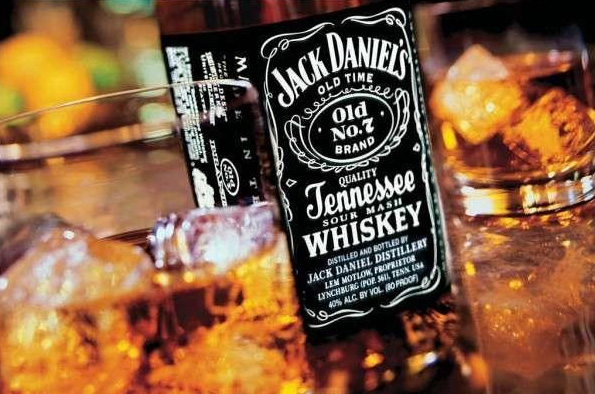
On the rock: Your wine will be poured over the ice
Stir: When the wine is stirred when they include with distilled spirit or very mixers only. Stir is consider as more gentle technique for mixing cocktail as is used to delicately combine the drinks with a perfect amount of dilution from the ice.
Shake: When the wine is shaken, when they include (mix with) fruit juice, cream liqueur, simple syrup, sour mix, egg, dairy. You use the shake when you want to sure all the ingredients integrated into the finished drink’s flavor

Bar stories:
Stories 1: Whisky and Whiskey
History of whisky: The earliest certain chemical distillations were by Greeks in the Alexandria in the 1st century AD, but they are not distillations of alcohol. Then gradually, the art of distillation spread to Ireland and Scotland no later than the 15th century as did the common European practice of distilling “aqua vitae” or spirit alcohol primarily for medicinal purposes. The practice of medicinal distillation eventually passed from a monastic setting to the secular via professional medical practitioners of the time. The earliest Irish mention of whisky comes from the seventeenth-century Annals of Clonmacnoise, which attributes the death of a chieftain in 1405 to “taking a surfeit of aqua vitae” at Christmas. In Scotland, the first evidence of whisky production comes from an entry in the Exchequer Rolls for 1494 where malt is sent “To Friar John Cor, by order of the king, to make aqua vitae”, enough to make about 500 bottles
By Wiki
One of the easiest way to distinguish whiskies is by nationality
- American whiskEy — tends to be sweeter than other whiskies. American whiskies must be distilled in America and aged in barrels in order to be labeled as whiskey (unless, we call them whisky) (usually for two years, but not always). Breaks down into the further subcategories:
- Bourbon — distilled from at least 51% corn.
- Rye — distilled from at least 51% rye (lua mach)
- Tennessee — bourbon that is distilled in Tennessee and filtered through charcoal.
- Scotch whisky — tends to have smoky and earthy flavors. Distilled in Scotland, from mostly barley, and aged at least 3 years. Breaks down into further subcategories:
- Blended Scotch — literally just a blend of one or more Scotch whiskies.
- Single malt (mach nha) Scotch — distilled at a single distillery from malted barley.
- Islay whisky is Scotch whisky made on Islay one of the southernmost of the Inner Hebridean Islands located off the west coast of Scotland. Islay is one of five whisky distilling localities and regions in Scotland whose identity is protected by law. The three most famous brands today are Laphroaig, Lagavulin and Ardbeg
- Irish whiskey — tends to be light-bodied, but more robust than Canadian whiskey. Distilled in Ireland, aged at least 3 years.
- Canadian whiskey — tends to be light-bodied and fruity. Distilled in Canada and aged at least 3 years. They are typically blends.
 AT LEAST, I NEVER GIVE UP